Managing your finances well is an important part of running a successful solo entrepreneur business in Ireland. Though it may not be fun, keeping accurate and up-to-date financial records allows you to track your profitability. adhere to the rules governing Irish taxes and make educated choices The importance of proper bookkeeping, the best ways to do it, frequent mistakes to avoid, and ways to make it easier to understand are all covered in depth in this guide for sole proprietors. Whether you’re just starting out or are looking to improve your procedures for bookkeeping jobs, this booklet will guide you to a better understanding of bookkeeping, and you can manage your finances confidently.
Why Bookkeeping Matters for Sole Traders

Maintaining records goes beyond simply documenting transactions—it involves gaining a comprehensive understanding of your business’s financial well-being. For sole traders, in particular, this is crucial since they bear legal responsibility for all facets of their business operations, including financial matters. Here’s why adopting bookkeeping techniques is indispensable:
1. Clear Financial Understanding
By monitoring your earnings and expenditures, you will develop an understanding of the financial health of your business, facilitating smoother strategising and expansion efforts.
2. Ensuring Revenue Compliance
Sole traders, in Ireland need to keep records, for tax purposes as having maintained accounts can make tax returns easier and lower the chances of facing penalties.
3. Making decisions based on information
Keeping records enables you to strategise, determining the ideal timing for investing in new equipment or making pricing adjustments and cost reductions.
4. Keeping track of your expenses
Maintaining records enables you to deduct qualifying expenses from your income tax calculation and consequently lessen your tax obligations in the end.
Essential Bookkeeping Steps for Sole Traders
Here are the key steps to set up a simple yet effective bookkeeping system for your sole trader business:
1. Ensure you keep your business and personal finances separate, from each other
It’s important for solo entrepreneurs to maintain a distinction between their business and personal finances by setting up a business bank account to handle all financial transactions related to the business efficiently and keep an organised record of the company’s financial operations.
2. Monitor Expenditures
Remember to log all transactions from sales to business costs, noting down specifics such, as dates and descriptions along with the amounts and payment methods used in each transaction for record-keeping purposes as per Irish Revenue guidelines that allow claiming of business related expenses.
3. Employ a Basic Accounting System
Utilising accounting tools such as Xero or QuickBooks software or even a simple spreadsheet template can simplify the process of managing your records by providing functions for expense tracking and invoicing along with basic reporting capabilities to maintain organised bookkeeping practices.
4. Remember to hold onto your receipts and invoices.
Remember to keep track of all the receipts and invoices related to your business activities as a sole trader in Ireland; it’s important to hold onto these papers for up to six years to show your costs and earnings clearly when needed in the future. Use a filing system to scan and store your documents for retrieval.
5. Remember to check your bank statements every month
Monthly reconciliations are important for making sure your records align with your bank statement and catching any mistakes or missing transactions to maintain financial records.
6. Make sure to calculate your taxes
Individual business owners must submit their income tax returns every year. Keep a record of their earnings and expenses to determine their tax obligations before the deadlines approach.It’s advisable to set aside money for taxes to prevent financial burdens at the end of the year.
7. Track Cash Flow
Cash flow management is essential for business sustainability. Monitor your income versus expenses regularly to ensure you have enough funds to cover expenses and grow your business.
It’s crucial for businesses to effectively manage their cash flow to sustain operations and growth potential, keeping an eye on their earnings in comparison to expenses to ensure funds for business expansion and covering costs efficiently.
Common Bookkeeping Mistakes to Avoid
- Mixing Personal and Business Finances: Never mix the expenses. Always use a separate bank account for business. This prevents confusion and ensures your records are accurate.
- Neglecting to Record Small Transactions: We all have tendency to ignore keeping a track of smaller expenses. Small cash expenses add up. Always record them to get a true picture of your spending.
- Not Setting Aside Money for Taxes: It’s tempting to reinvest all profits back into the business, but remember to save for taxes to avoid cash flow issues.
- Ignoring Regular Reconciliation: Adopt a practice to reconcile your bank monthly. Bank reconciliations catch errors early, reducing the risk of large discrepancies over time.
- Skipping Receipt Tracking: Without receipts, you may miss out on expense claims, potentially increasing your tax liability. If you miss the receipts, you wont be able to claim the vat and you pay additional taxes too.
Best Practices for Efficient Bookkeeping Processes
1. Weekly Schedule
Make sure to set aside a time each week to handle your bookkeeping tasks, as it helps in maintaining records and avoids accumulating a pile of tasks to tackle all at once.
2. Accounting Software
Managing your finances is made easier with accounting software that automates tasks and keeps track of expenses while giving you an overview of your situation. Popular software programs such as QuickBooks or Xero come equipped with features like generating invoices and organising expenses efficiently.
3. Collaborate with a bookkeeper or accountant.
If you’re uncertain about handling your bookkeeping or if you find yourself in need of assistance around tax time, it might be an idea to think about bringing onboard a bookkeeper or accountant to assist your efforts.
4. Plan for Taxes
As a sole trader, you’re responsible for filing a self-assessment income tax return. Setting aside funds for taxes throughout the year can prevent cash flow issues when taxes are due.
5. Check your statements consistently
Reviewing documents, like income statements and cash flow statements, is essential for gaining insights into your company’s well-being and enabling you to make informed business choices on a regular basis.
Bookkeeping Checklist for Sole Traders
To keep you on track, here’s a simple monthly checklist for bookkeeping:
| Task | Frequency | Completed (Y/N) |
| Record all income and expenses | Weekly | |
| Save receipts and invoices | Ongoing | |
| Reconcile bank statements | Monthly | |
| Set aside money for taxes | Monthly | |
| Review cash flow and income statement | Monthly | |
| Prepare for self-assessment tax return | Annually |
Using this checklist can help you manage your finances efficiently, saving time and ensuring accurate, compliant records.
How FORTI Can Help
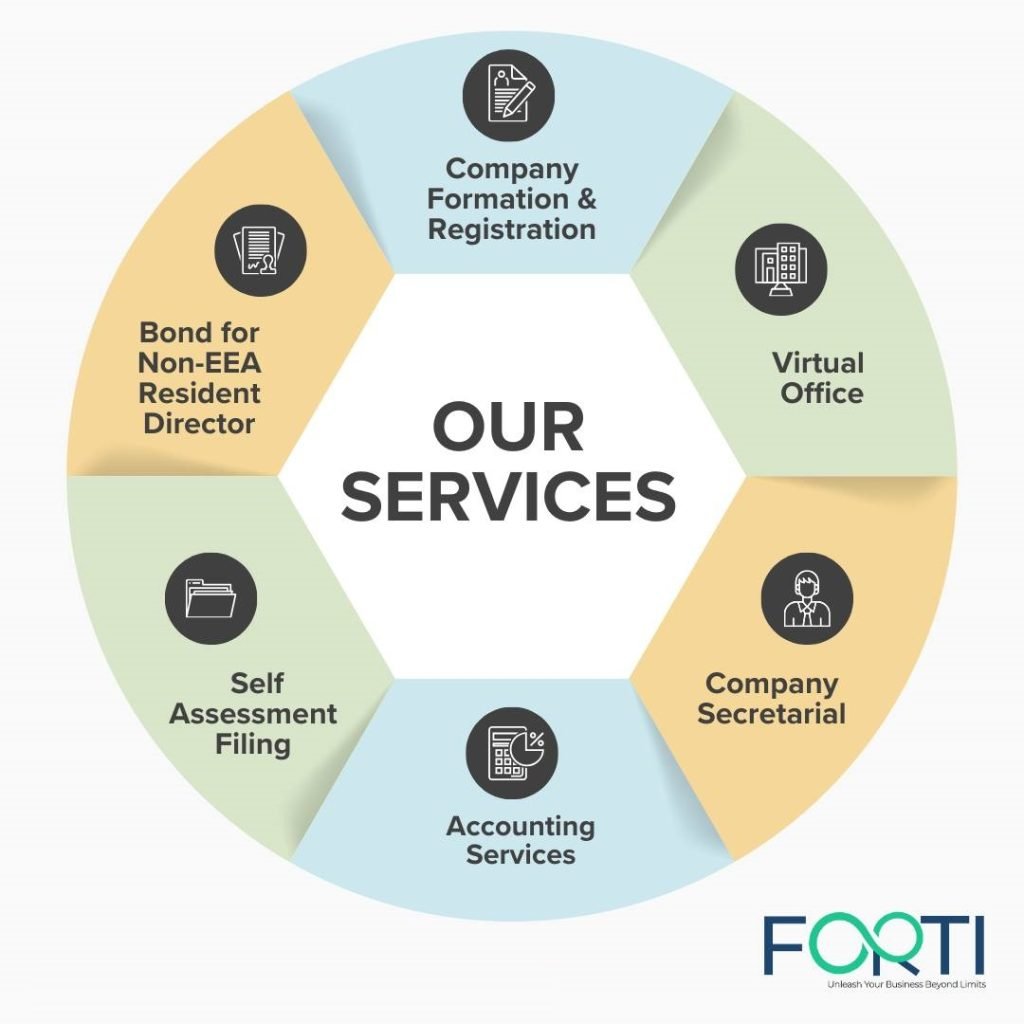
We understand that bookkeeping can be difficult, particularly for sole traders who must focus on running their business. Our dedicated bookkeeping services are tailored to help sole traders in Ireland stay organised, compliant, and stress-free.
Our Bookkeeping Services for Sole Traders Include:
- Transaction Recording: We meticulously document every source of earnings and all expenditures to classify them. .
- Expense Tracking and Tax Preparation: We track every eligible expense, maximising your deductions and ensuring accurate tax filings.
- Monthly Reconciliations: Our team makes sure that your records are current and reconciles your accounts to align with your bank statements.
- Regular Financial Reporting: We provide monthly financial reports so you always know your business’s financial health, and keep you updated with your finacial situation.
- Revenue Compliance and Tax Filing Assistance: Our services help you stay compliant with Irish Revenue, simplifying tax season and ensuring peace of mind.
Are you prepared to streamline your accounting tasks?
Allow FORTI to handle your documentation while you focus on growing your business effectively! Count on our team to deliver bookkeeping services that align with the needs of Irish businesses.
👋 Reach out to us now for a consultation. Uncover how FORTI can assist you in bookkeeping impeccable financial records and enhancing your company’s effectiveness while ensuring adherence to Irish regulations!