Sustainability isn’t just a buzzword anymore—it’s become a vital part of how we do business here in Ireland. From climate targets to consumer expectations, businesses are under more pressure than ever to show they’re doing their bit for the environment. But how do you actually measure that? And more importantly, how do you report on it in a way that matters?
That’s where green accounting comes in. Also known as environmental accounting, this approach helps businesses track the environmental impact of their operations and include that information in their financial reporting. It’s about giving a more rounded picture—not just profits and losses, but carbon and waste too.
In this article, we’ll break down what green accounting means, why it matters to Irish businesses, and how to get started in a practical, no-nonsense way.
What is Green Accounting?

Green accounting is the practice of including environmental costs and benefits in your financial reporting. It might sound complicated, but the idea is fairly straightforward: if your business affects the environment, those effects should be reflected in your figures.
That could include:
- The cost of dealing with waste and emissions
- Spending on eco-friendly upgrades (like energy-efficient lighting or electric vehicles)
- Savings from sustainability initiatives
Any taxes, fines, or incentives linked to environmental performance
It’s a way to make your accounts reflect the real impact your business is having—not just financially, but environmentally too.
Why Green Accounting Matters in Ireland
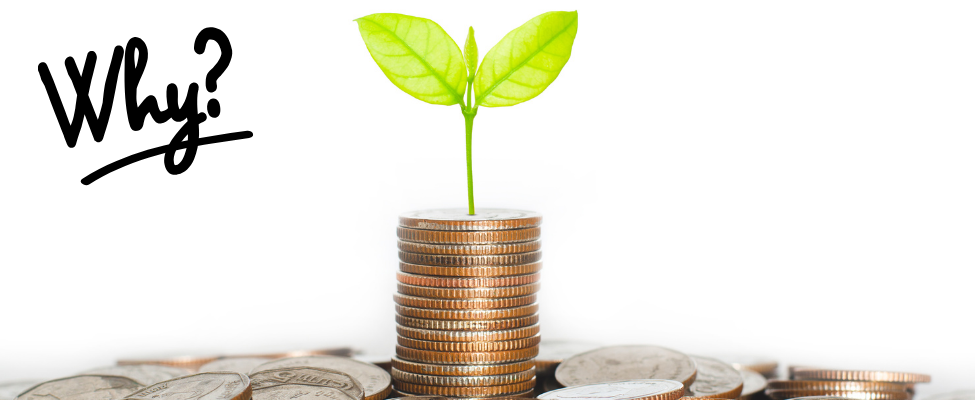
- Legislation is changing – Between EU climate rules and Ireland’s own targets, it’s only a matter of time before more businesses are required to report on their environmental footprint.
- Investors and customers care – More and more, people want to deal with companies that are honest about sustainability. It’s not just about being ‘green’—it’s about being transparent.
- Better business decisions – Knowing the environmental cost of your choices helps you manage resources better, avoid waste, and uncover new ways to save money.
Reputation and trust – Clear reporting builds trust. Whether it’s with clients, staff, or stakeholders, people respect a business that’s upfront about both its successes and its challenges.
What Does Green Accounting Actually Measure?
Every business is different, but here are a few things that often show up in environmental reports:
- Energy and water usage
- Emissions and carbon footprint
- Waste and recycling performance
- Eco-friendly investments and their returns
- Grants or penalties linked to environmental action (or inaction)
Some businesses go even further, assigning financial values to things like biodiversity or air quality. It depends on your industry and what matters most to your operations.
Case Study: Going Green in Dublin
A medium-sized print and packaging business in Dublin was looking to improve its sustainability credentials. With Forti’s help, they began measuring their electricity and gas use, switched to recycled materials, and installed low-energy equipment in their warehouse.
The upfront cost was offset by grants and long-term savings, and within a year, they’d reduced their energy bills by 18% and secured a new contract with a large retailer focused on sustainable suppliers. More importantly, they were able to show that progress clearly in their accounts.

How to Get Started with Green Accounting

- Pick a starting point – Don’t try to measure everything at once. Start with energy usage or waste management and build from there.
- Use a framework – Standards like the GRI (Global Reporting Initiative) or EU Taxonomy can help guide what to track and how to report it.
- Get help – Your accountant or a sustainability advisor can help you set up systems that fit your business.
- Make it part of your regular reports – Don’t bolt it on as an afterthought. Integrate it into your monthly or quarterly updates.
- Be honest – It’s okay to have areas that need improvement. What matters is showing you’re tracking progress and making an effort.

The Role of Accountants in a Greener Economy
Accountants aren’t just number crunchers—they’re business advisors. And as businesses shift towards greener models, accountants have a key role in helping track, manage, and communicate environmental impact.
They can:
- Identify environmental costs that often go unrecorded
- Help create budgets and forecasts that reflect sustainability goals
- Align your reporting with global sustainability standards
- Ensure the figures you report are accurate, reliable, and meaningful
At Forti, we work with Irish businesses every day to help them make sense of green accounting. Whether you’re starting from scratch or looking to improve what you already track, we’re here to help.
Frequently Asked Questions (FAQs)
Not at all. Any business can benefit from tracking its environmental impact—even sole traders. It’s about doing what makes sense for your size and industry.
Not necessarily. Many businesses start by using spreadsheets or integrating with their existing accounting software. As your needs grow, you might explore tools that offer more features.
You might be surprised. Energy use, transport, packaging—most businesses affect the environment in some way. Tracking these areas can lead to both savings and opportunities.
Currently, it’s more about voluntary reporting, but legislation is changing fast. Green accounting can help you stay ahead of future requirements and benefit from grants or incentives.
Many accountants (like us at Forti) are already working with clients on green reporting. That said, for detailed environmental assessments, partnering with a sustainability consultant may also help.
Green accounting gives you real numbers you can use in annual reports, marketing, tenders, or client proposals. It’s a great way to show you’re serious about your environmental impact.
Conclusion
Green accounting is about making sustainability part of how you do business—not just something you talk about. By bringing environmental measures into your financial reporting, you show that your business cares not only about profits, but also about its place in the wider world.
Whether you’re taking the first step or already on the journey, there’s never been a better time to make sustainability part of your bottom line.
“Go green with confidence — Get started with Forti’s sustainable accounting services.”